You put on a favorite pair of earrings in the morning. By lunch, your ears are itchy. That necklace you loved in the store? Somehow it leaves a red patch along your neckline. And the ring that looked perfectly innocent in the case suddenly isn’t so innocent after a full day on your hand.
If this sounds familiar, the problem may not be jewelry itself. It may be one of the metals hiding inside it.
Finding the best jewelry for sensitive skin gets easier once you stop looking only at whether a piece is gold, silver, or white gold and start paying attention to its actual composition. Fine jewelry is often made from metal alloys, and those additional metals can make a difference when your skin is particularly sensitive.
So, which metals should you look for—and which deserve a few extra questions before you buy?
What Is the Best Jewelry for Sensitive Skin?
There isn’t one jewelry metal guaranteed to work for every person with sensitive skin. Platinum and certain gold alloys can be good places to start, while people with known metal allergies may need to pay closer attention to exactly what’s in a piece.
That last part matters because jewelry labels don’t always tell the entire story at first glance.
Pure gold is relatively soft, for example, so gold used in jewelry is typically combined with other metals to create an alloy. Sterling silver is an alloy, too. White gold gets its color partly from the metals combined with gold and may also receive a rhodium finish.
In other words, your skin isn’t reading the label. It’s reacting to the metals that actually touch it.
Why Does Some Jewelry Irritate Sensitive Skin?
If one pair of earrings bothers you while another feels completely fine, the difference may come down to metal composition.
Nickel is a particularly common source of jewelry-related skin reactions. For someone with a nickel sensitivity, prolonged contact with jewelry containing nickel can lead to irritation such as itching, redness, or a rash.
That’s why shopping for nickel allergy jewelry requires a little detective work. A piece may contain a precious metal you normally tolerate while also containing an alloy metal that causes problems.
And sometimes the earrings give away the problem first. Pierced areas can make irritation particularly noticeable, so a pair that consistently bothers your ears may offer a useful clue about which metals don’t agree with your skin.
Which Hypoallergenic Jewelry Metals Should You Consider?
The word “hypoallergenic” sounds reassuring, but it shouldn’t end the conversation.
When comparing hypoallergenic jewelry metals, it’s more useful to find out what the piece actually contains. If you already know you react to nickel or another metal, knowing the composition gives you much more information than a general hypoallergenic label.
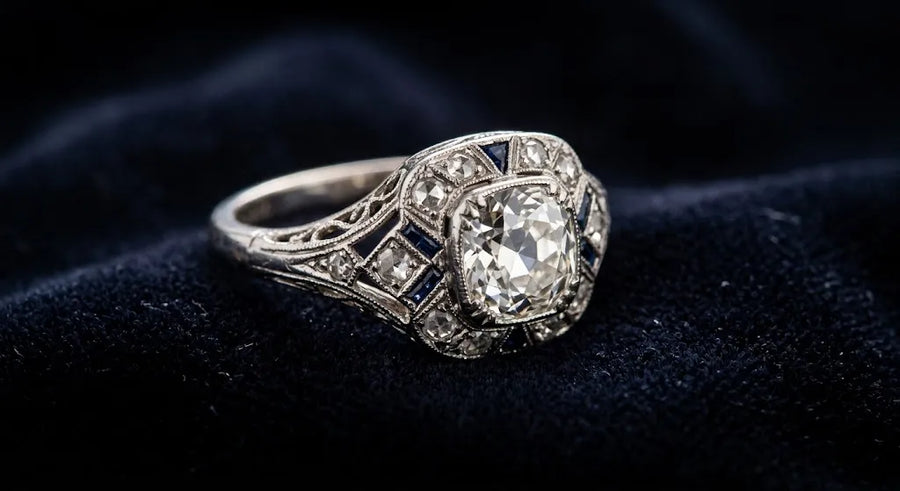
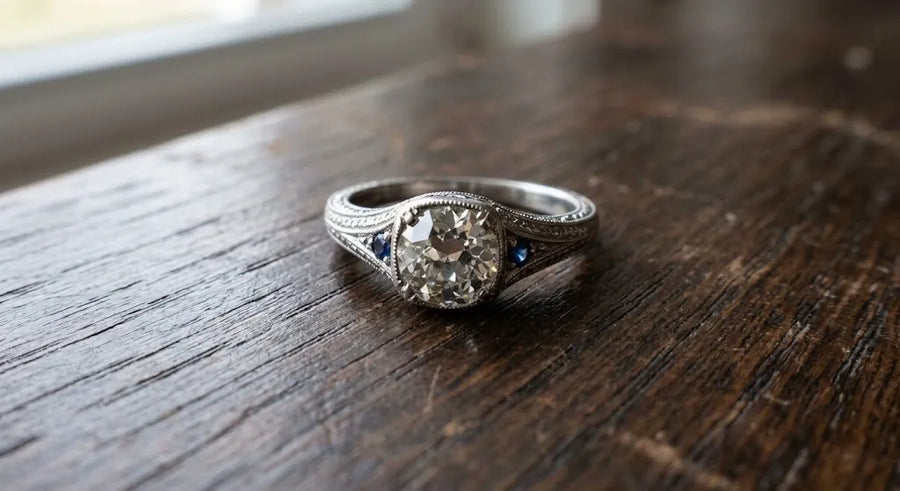
Platinum is one option worth considering. Platinum jewelry typically contains a high percentage of platinum and can be appealing to people looking for fine jewelry without nickel-containing gold alloys. Its durability also makes it popular for pieces designed for frequent wear, including engagement rings and wedding bands.
Certain gold alloys can also work well, depending on their composition. The important word there is “depending.”
Is Gold Good for Sensitive Skin?
Gold can be an excellent fine-jewelry option, but karat and alloy composition matter.
Twenty-four-karat gold is pure gold, but its softness makes it less practical for many types of everyday fine jewelry. That’s why you’re much more likely to encounter 10K, 14K, or 18K gold, all of which contain other metals.
Higher-karat gold contains a larger percentage of pure gold. Eighteen-karat gold, for example, is 75% gold, while 14K is 58.3%. That leaves less of the alloy made up of other metals in 18K, but it still doesn’t tell you exactly which metals were used.
So if sensitive skin is a concern, don’t stop at “Is this 14K or 18K?”
Ask what’s in the alloy.
That extra question may tell you far more about whether the piece is right for you.
Is White Gold Safe for a Nickel Allergy?
This is where the color of the jewelry can be misleading.
White gold isn’t naturally a bright white metal. It’s gold mixed with lighter-colored metals to create a paler alloy, and many white gold pieces are then rhodium plated to achieve the bright finish people associate with white gold.
Some white gold alloys contain nickel. Others use different alloy combinations.
So if you’re specifically searching for nickel allergy jewelry, don’t assume that every white gold piece will affect your skin the same way. Ask whether nickel is present in that particular alloy.
If you love the look of white metal but know nickel causes problems for you, discussing platinum and appropriate nickel-free gold options with your jeweler can give you alternatives without forcing you to abandon the look you wanted.
Is Sterling Silver Good for Sensitive Skin?
Sterling silver sounds straightforward until you remember that “sterling” means you’re dealing with an alloy.
Sterling silver contains 92.5% silver, while the remaining portion consists of other metals. Because those additional metals can vary, someone with known sensitivities should still ask about the composition of a particular piece rather than assuming every sterling silver item will feel identical against the skin.
This is a useful rule beyond silver, too.
Instead of asking, “Can I wear gold?” or “Can I wear silver?”, try asking, “What exactly is in this piece?”
The second question gets you much closer to an answer your skin can actually use.
How to Choose Jewelry If You Have a Nickel Allergy
You don’t need to turn jewelry shopping into a chemistry exam. A few good questions can do most of the work.
Start with what you already know about your skin. If certain earrings or rings have caused reactions before, check what they were made from if that information is available. When shopping for something new, ask about the base metal, karat, alloy composition, and whether nickel is present.
This becomes especially important for pieces you’ll wear frequently. An engagement ring may stay on your hand for hours every day. Earrings may remain against pierced skin from morning until night. A necklace can rest against the same area of your neck for an entire evening.
The longer a piece stays against your skin, the more important comfort becomes.
The best jewelry for sensitive skin isn’t simply the piece with the most reassuring description. It’s jewelry whose materials you understand and feel comfortable wearing.
Don’t Let the Metal Become an Afterthought
When you fall for a piece of jewelry, it’s easy to focus on everything else first: the diamond, the design, the color, the way it looks on your hand.
Then your skin gets a vote.
If you know you have sensitive skin, move the metal conversation closer to the beginning of the purchase. Compare your options, ask what’s in the alloy, and be specific about known sensitivities. If you’ve experienced a significant or persistent skin reaction, a healthcare professional can also help determine what may be triggering it.
A beautiful piece shouldn’t become something you admire from inside the jewelry box because wearing it is uncomfortable.
Find Jewelry for Sensitive Skin at Statement Jewelers
At Statement Jewelers, we can help you compare precious metals and understand the differences between platinum, gold alloys, white gold, and other jewelry options before you choose.
If nickel or another metal is a concern, tell us. We can help you ask the right questions and find jewelry that works with your preferences, lifestyle, and skin sensitivity.
Because choosing hypoallergenic jewelry metals shouldn’t mean giving up the design you love. It means paying a little more attention to what’s underneath it.
EXPLORE FINE JEWELRY AT STATEMENT JEWELERS
FAQs
What jewelry metal is best for sensitive skin?
There isn’t one universally best option, but platinum and certain gold alloys may work well for people with sensitive skin. The right choice depends on your individual sensitivities and the exact composition of the jewelry.
What jewelry should I avoid if I have a nickel allergy?
If you have a known nickel allergy, look for jewelry that doesn’t contain nickel. Ask about the full alloy composition rather than relying only on the color or general metal description.
Is 14K or 18K gold better for sensitive skin?
Eighteen-karat gold contains more pure gold than 14K, leaving a smaller percentage for other alloy metals. However, the specific alloy composition still matters, particularly if you know you’re sensitive to a particular metal.
Is white gold hypoallergenic?
Not necessarily. Some white gold alloys contain nickel, while others use different metals. Ask about the specific alloy if nickel sensitivity is a concern.
Is platinum good for sensitive skin?
Platinum can be a good option for people concerned about metal sensitivity because platinum jewelry typically has a high platinum content. Individual reactions can still vary.
Can you develop a reaction to jewelry you’ve worn before?
Skin reactions can appear even with jewelry you’ve worn previously. If irritation is persistent, significant, or recurring, stop wearing the piece and consider speaking with a qualified healthcare professional.