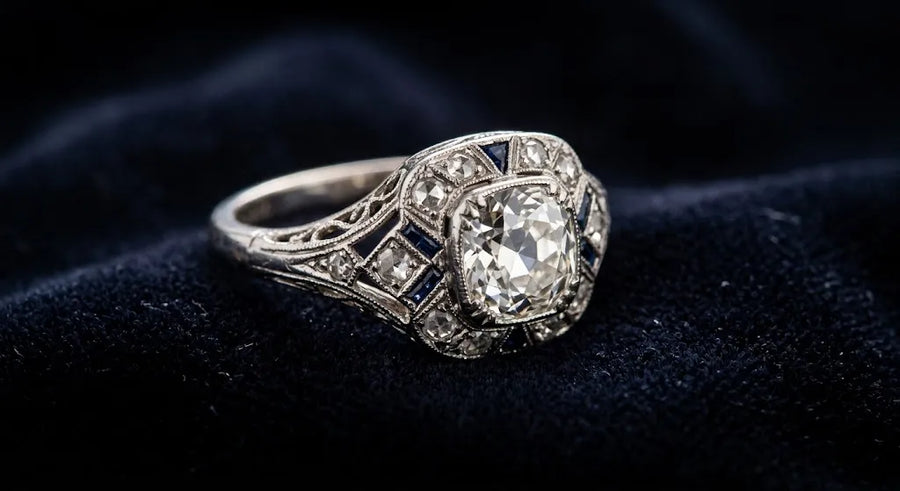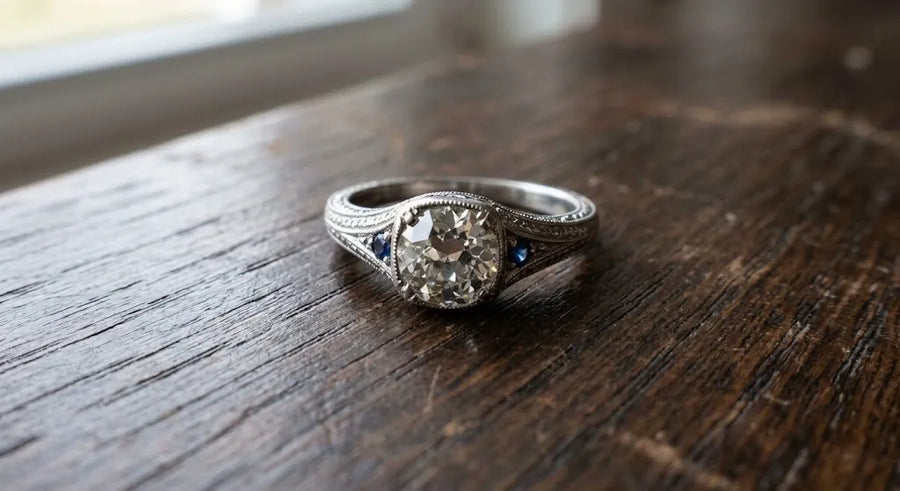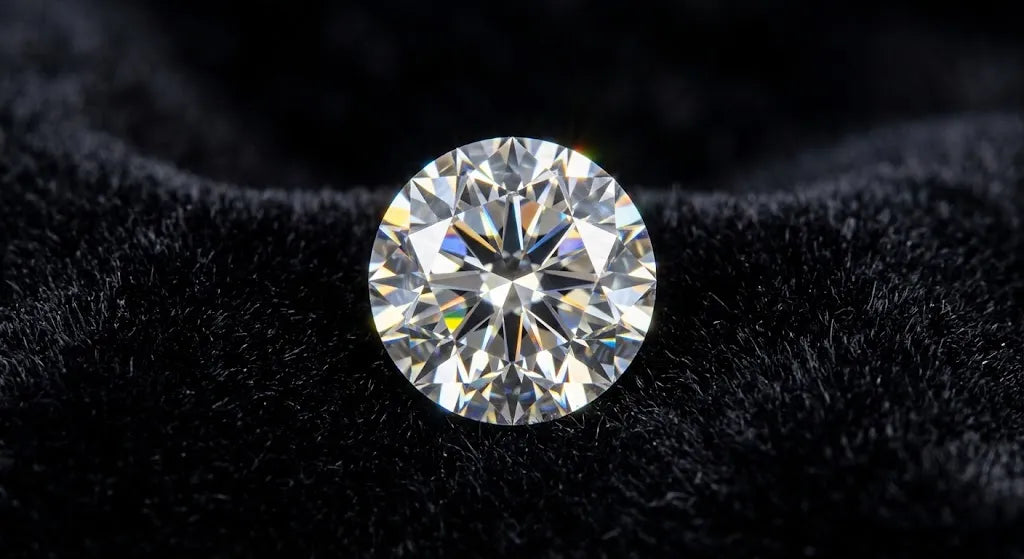
Let’s put two diamonds on the counter. Same shape. Same carat weight. Similar color. Similar clarity. Under the lights, they may look almost identical.
One formed naturally beneath the earth. The other was created in a laboratory. That sounds like a simple difference, but it changes a lot: price, rarity, grading, resale expectations, and the story you attach to the ring.
So instead of asking which one is “better,” let’s ask a more useful question: what are you actually buying into with each option?
First Look: Can You Tell Which Is Which?
Usually, not by sight alone.
If you’ve wondered, “Are lab grown diamonds real?”, yes. The Gemological Institute of America (GIA) explains that lab-grown diamonds have essentially the same chemical composition, crystal structure, and optical properties as natural diamonds. They can also look the same to the unaided eye, which is why origin has to be established through specialized testing rather than appearance alone.
So the decision isn’t “real versus fake.” It’s natural origin versus laboratory origin, and that difference becomes much more noticeable once you get to the price.
Then You See the Price Tags
This is where most buyers pause. Lab-grown diamonds generally cost less upfront than comparable natural diamonds, which can give you more room to play with carat size, color, clarity, or the setting itself.
And the gap isn’t small. In mid-2025, diamond industry analyst Edahn Golan reported that a typical one-carat round lab-grown diamond sold for about 83% less than a comparable natural diamond of the same size and shape. Two-carat lab-grown stones sold for about 80% less than comparable natural stones.
That difference can reshape the whole purchase. You might choose a larger stone, move up in clarity, or spend more on a custom setting without pushing the budget as far. That’s where a lab grown diamond vs natural diamond comparison becomes less about appearance and more about priorities.
Then the Market Starts Moving
Here’s where things get more interesting: lab-grown diamond prices are still changing quickly.
According to Golan’s Q2 2026 wholesale data, lab-grown diamond prices were down an average of 13% year over year. The decline wasn’t the same across every size. One-carat rounds rose 1%, while 1.50-to-1.99-carat stones fell 11% and two-carat stones dropped 20%.
That matters because a lower purchase price doesn’t automatically tell you what the stone may be worth later. Natural diamonds aren’t guaranteed investments either. Their resale value depends on quality, documentation, market demand, brand, condition, and the individual stone.
The two categories behave differently in the market, though, and buyers should know that before assuming both will hold value the same way.
Even the Grading Conversation Has Changed
This is something buyers shopping only a few years ago wouldn’t have seen.
On October 1, 2025, GIA changed how it evaluates colorless-to-near-colorless lab-grown diamonds. Instead of using the same grading language developed for natural diamonds, qualifying lab-grown stones are now assessed as either “Premium” or “Standard.”
“Using descriptive terms for the quality of laboratory-grown diamonds is appropriate,” says Pritesh Patel, president and CEO of the Gemological Institute of America. “Most fall into a very narrow range of color and clarity.”
For buyers, that shift is a useful context. It doesn’t mean lab-grown diamonds stopped being diamonds. It means the grading language is evolving alongside the category itself.
Now Take the Reports Away for a Minute
This is the part a laboratory report can’t decide for you.
Some buyers love the fact that a natural diamond formed over an immense geological timeline. The rarity and origin become part of the meaning of the ring. Others care far more about visual impact, size, and budget. If a lab-grown diamond lets them choose the ring they actually want at a lower upfront cost, that may matter more than geological origin.
Neither reaction needs defending.
The most useful natural vs lab grown diamonds conversation isn’t “Which one wins?” It’s “Which difference will I still care about years from now?”
So Which Diamond Leaves the Counter With You?
Go back to those two stones.
If rarity, natural origin, and a more established resale market matter most to you, a natural diamond may feel like the better fit. If you want to maximize size or quality within your current budget and resale is less important, a lab-grown diamond may make more sense.
And if you’re still asking, “Are lab grown diamonds real?”, you can move past that part. They are diamonds. The more useful questions are about origin, price, future expectations, and personal preference.
That’s the heart of a lab grown diamond vs natural diamond decision. You’re not choosing the stone that wins an argument. You’re choosing the one that makes sense for how you want to buy, wear, and think about the ring.
Compare Both Options at Statement Jewelers
At Statement Jewelers, we can place natural and lab-grown diamonds side by side and help you compare what actually matters: appearance, grading, price, origin, and long-term expectations.
You don’t need to arrive knowing which one you want. Start by seeing both, asking questions, and deciding which story feels right on your hand.
EXPLORE NATURAL AND LAB-GROWN DIAMONDS HERE!
FAQs
Are lab-grown diamonds real diamonds?
Yes. Lab-grown diamonds have the same basic chemical composition and crystal structure as natural diamonds. The main difference is origin.
What’s the biggest difference between natural and lab-grown diamonds?
Natural diamonds form in the earth, while lab-grown diamonds are created in controlled environments. That difference can affect price, rarity, grading, and resale expectations.
Do lab-grown diamonds cost less than natural diamonds?
In most cases, yes. Lab-grown diamonds generally cost less upfront, which can make it easier to choose a larger stone or higher specifications within the same budget.
Which is better, a natural or lab-grown diamond?
Neither is automatically better. The right choice depends on what matters most to you, whether that’s rarity, budget, size, long-term value, or origin.