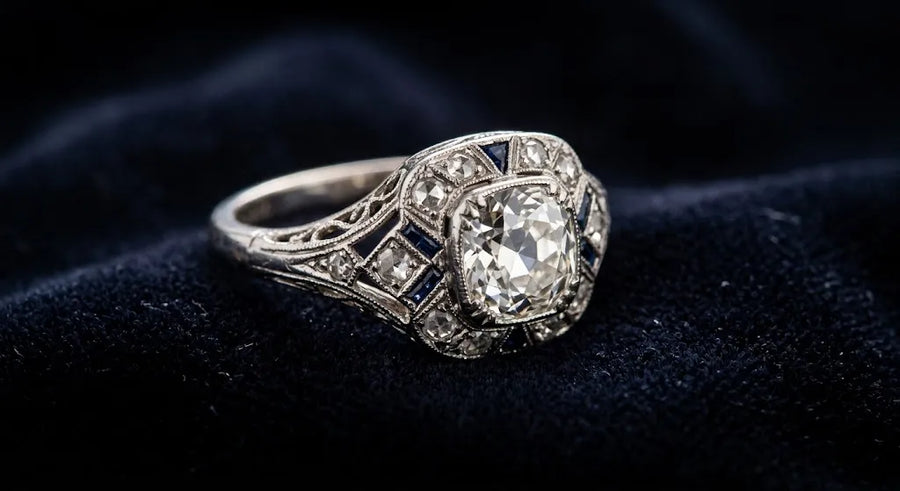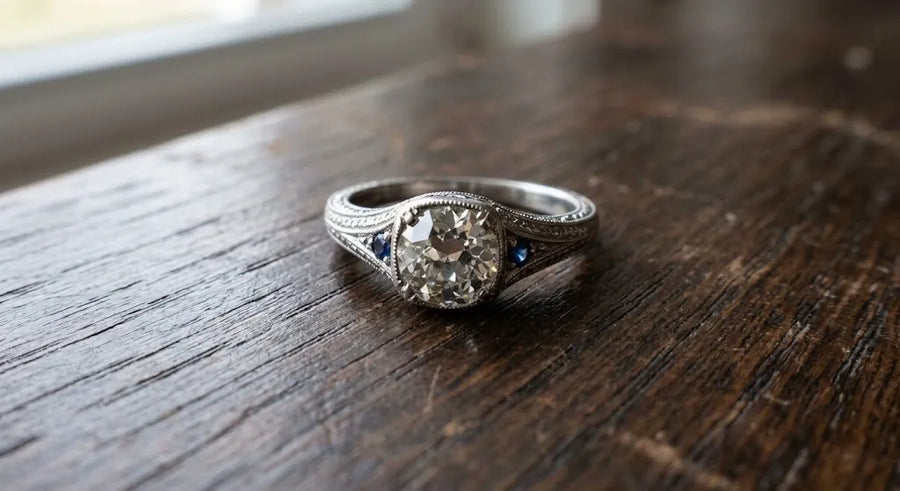
Imagine you have a diamond ring you haven’t worn in five years. It’s beautiful. It’s valuable. And every time you open your jewelry box, you think, “I really should do something with that.”
Maybe it belonged to another chapter of your life. Maybe your style changed. Or maybe you’d rather turn its value into something you’ll actually enjoy.
You have three common options: sell it, consign it, or trade it toward another piece.
Same ring. Three very different endings.
So, which one makes sense? The answer depends less on which option is “best” and more on what you want from the jewelry now.
Scenario One: Sell It
Best if you want: speed, certainty, and a straightforward transaction.
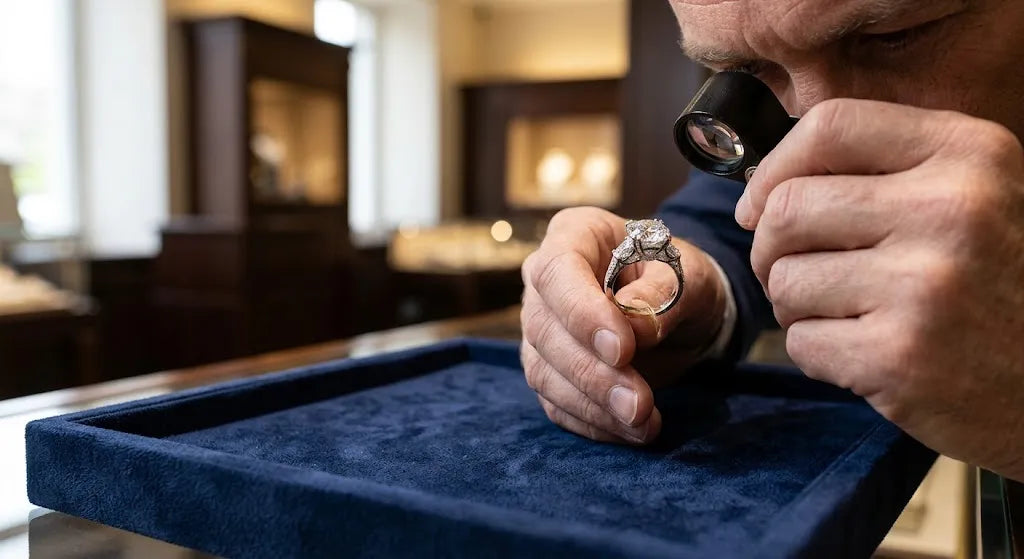
When you sell jewelry outright, a buyer evaluates the piece and makes an offer. If you accept, the transaction can usually move forward without waiting for someone else to purchase the jewelry.
This option tends to make sense when you want access to the value sooner or simply don’t want to manage a longer selling process.
The important thing to understand when comparing sell vs. consign jewelry is that an immediate purchase offer typically won’t equal the price the jewelry might eventually carry in a retail showcase. A buyer has to consider market demand, condition, repairs, operating costs, and the time required to resell the piece.
That doesn’t make the offer unfair. It means you’re exchanging some potential upside for speed and certainty.
Before accepting, ask how the offer was determined and whether factors such as the designer, gemstones, or overall condition were considered.
Scenario Two: Consign It
Best if you want: market exposure and you’re comfortable waiting for the right buyer.
With consignment, you continue to own the jewelry while a jeweler displays and markets it. You’re paid after the piece sells, according to the terms established in your consignment agreement.
The potential advantage is that your jewelry reaches an end buyer rather than being purchased immediately for resale. The trade-off is uncertainty. A desirable piece might sell relatively quickly, while something with a very specific style could take considerably longer.
When considering jewelry consignment vs. selling, ask about more than the expected selling price. Find out how long the consignment period lasts, what percentage or fee the jeweler receives, how the piece will be marketed, and what happens if it doesn’t sell.
If you’re wondering, “Should I consign my jewelry?”, think about whether you actually need the money soon. If waiting several months would bother you, consignment may not be the right fit even if the potential return sounds appealing.
Scenario Three: Trade It In
Best if you want: new jewelry more than you want cash.
Maybe that diamond ring isn’t really leaving your jewelry collection. It’s simply changing form.
If a jeweler offers a trade-in program, you may be able to trade in jewelry you no longer wear and apply its eligible value toward another purchase. That could mean a new ring, a bracelet you’ve had your eye on, or a piece that better reflects your current style.
Trade-ins can make especially good sense when you already know you’ll be purchasing something else. Instead of completing one transaction and starting another, the value of your existing jewelry helps fund what comes next.
Just make sure you understand the terms. Trade-in value may differ from an outright cash offer, and not every type of jewelry will qualify.
The Quick Version
Sell: Choose this when you want a faster transaction and a clear offer without waiting for another buyer.
Consign: Choose this when you have time, your piece has strong resale appeal, and you’re comfortable waiting for it to sell.
Trade in: Choose this when your goal is replacing or upgrading jewelry rather than receiving cash.
The condition, precious-metal content, gemstones, designer, craftsmanship, and current demand can all affect which path makes the most sense. That’s why an evaluation should usually come before the decision.
You’re not just asking, “What’s my jewelry worth?”
You’re asking, “What do I want to do with that value?”
Let Statement Jewelers Help You Decide What Comes Next
At Statement Jewelers, we can evaluate your jewelry, explain the options available, and help you understand which path may fit your priorities. Whether you already know you’re ready to sell or you’re simply wondering what an unworn piece could become, you can start with information before committing to a decision.
SCHEDULE YOUR JEWELRY EVALUATION TODAY!
FAQs
Is it better to sell or consign jewelry?Selling is usually faster and gives you a clear offer upfront. Consignment may take longer, but it gives the piece more time to reach an end buyer.
How does jewelry consignment work?You keep ownership of the jewelry while the jeweler displays and markets it. If the piece sells, you’re paid according to the terms of the consignment agreement.
Can I trade in jewelry instead of selling it?Yes, if the jeweler offers a trade-in program. The eligible value of your piece may be applied toward another purchase.
Should I consign my jewelry if I’m not in a hurry?It can make sense if the piece has good resale appeal and you’re comfortable waiting. Ask about the consignment period, fees, and what happens if the jewelry doesn’t sell.
What affects the value of jewelry before selling, consigning, or trading it in?Condition, gemstones, precious-metal content, designer, craftsmanship, documentation, and current demand can all influence the evaluation.