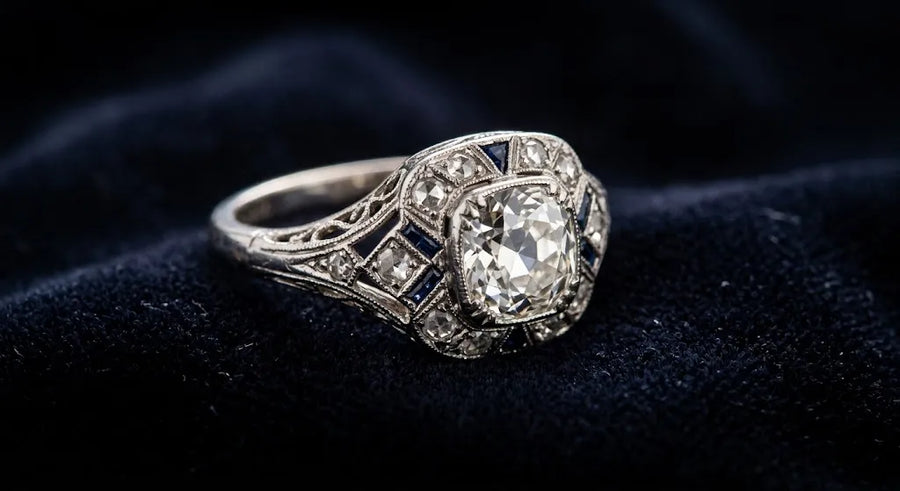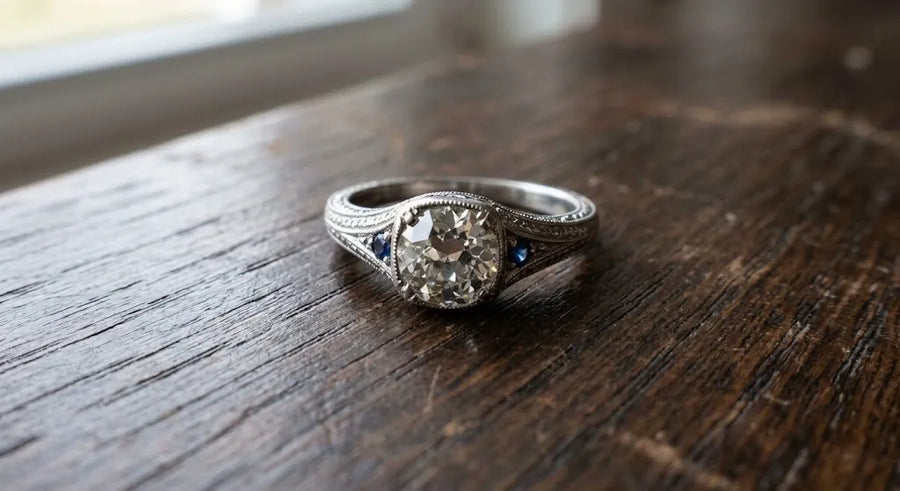
There’s a particular moment white gold owners tend to notice: the ring still looks beautiful, the stones are fine, and nothing feels loose, but the band doesn’t look quite as bright as it used to. Maybe the underside seems warmer. Maybe the edges have lost that cool, crisp finish. Maybe you can’t quite put your finger on what changed, but you know the ring looks different.
That’s usually when rhodium plating enters the conversation. And no, it doesn’t mean your ring is wearing out or that something has gone wrong with the gold. It means the finish is doing what finishes do: changing with use.
White Gold Has a Little More Going On Than the Name Suggests
White gold sounds like it should be naturally white. It isn’t. Gold starts out yellow, then gets mixed with lighter-colored alloy metals to create a paler tone. Depending on the formula, that may include metals such as palladium, silver, or nickel. The result is lighter than yellow gold, but it usually isn’t the bright, icy white people picture when they think of a new engagement ring.
That bright finish is added later. So when people ask why white gold turns yellow, the short answer is that it’s not really “turning yellow” at all. The warmer color underneath is becoming more visible as the outer finish wears down. That’s less alarming once you know what you’re actually looking at.
Rings Take More Abuse Than Almost Anything Else You Wear
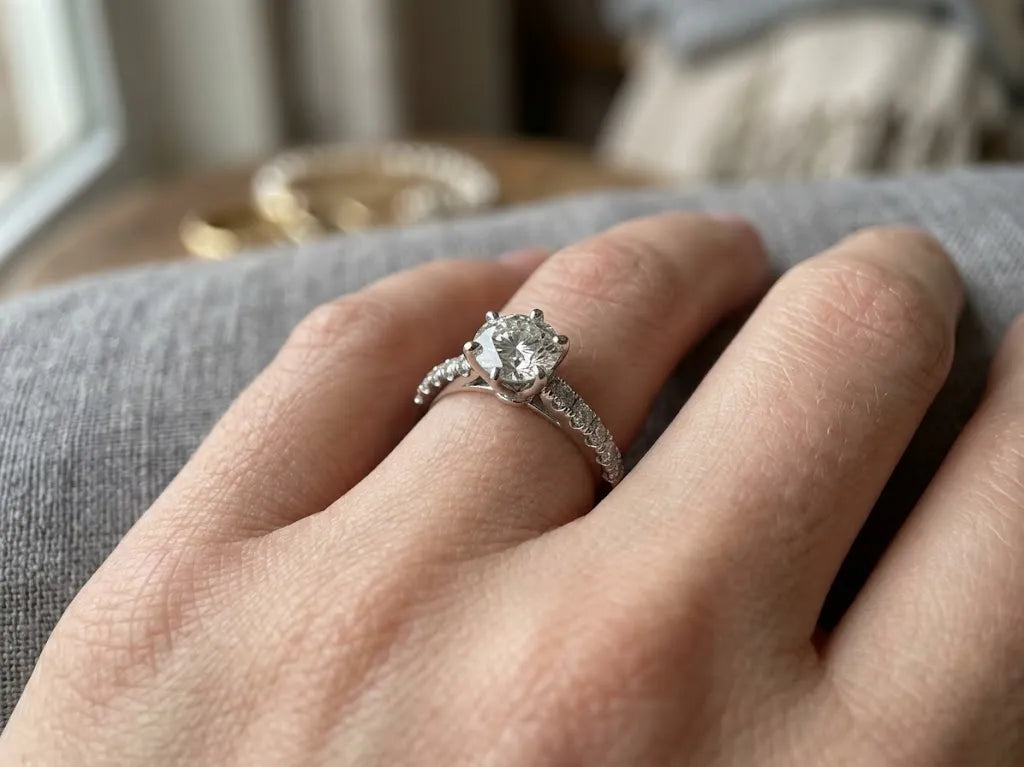
A pendant mostly gets to hang there and look pretty. A ring has a much busier life. It taps against desks, catches on bags, gets washed with your hands, rubs against steering wheels, picks up lotion, and comes into contact with more surfaces than you probably realize.
That constant friction is why rings often show changes sooner than earrings or necklaces. You may notice the bottom of the band looking warmer first while the top still appears bright. That unevenness can feel strange, but it’s normal. The areas that work the hardest tend to show wear first.
Think of it as the jewelry version of your favorite pair of shoes. The wear tells you where life is happening.
So, How Often Should You Rhodium Plate White Gold?
Here’s the answer everyone wants to be more exact than it actually is: it depends.
If you’re wondering how often to rhodium plate white gold, there isn’t one schedule that works for every ring or every person. A ring worn every day will usually need attention sooner than one you wear occasionally. Your work habits, skin chemistry, how often you wash your hands, and even how you store the piece can all affect the finish.
Some people like to refresh their white gold every year or two because they prefer that bright white look. Others wait much longer because a slightly warmer tone doesn’t bother them. The better question isn’t “Has enough time passed?” It’s “Do I still like how the ring looks?” If the answer is no, that’s a good time to have it checked.
What Happens During Replating?
The process itself is straightforward. The ring is cleaned thoroughly, and depending on its condition, the surface may be polished before a fresh finish is applied through an electroplating process.
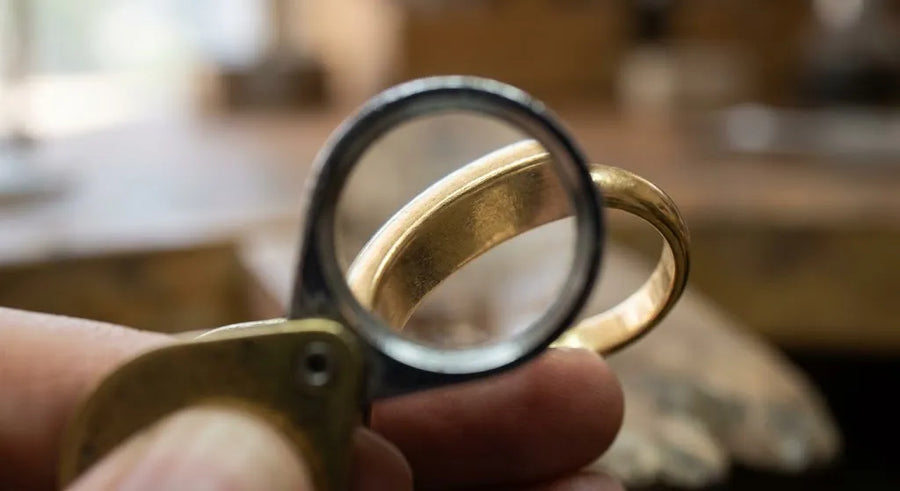
That’s the cosmetic part. The more useful part is that the ring is already in a jeweler’s hands. A maintenance visit gives someone the chance to check the setting, prongs, stones, scratches, and general wear at the same time. Sometimes the color is what gets you through the door, but another small issue turns out to be more important.
That’s one reason regular care can be useful even if the ring still looks pretty good from across the room.
Can You Make the Finish Last Longer?
You can slow the wear. Take white gold rings off before swimming in chlorinated water, using strong household cleaners, lifting weights, or doing hands-on work that creates a lot of friction. Store pieces separately rather than letting them scrape against harder jewelry, and use gentle cleaning between professional visits.
But if you wear the ring regularly, change is going to happen. That’s not bad maintenance. That’s what happens when jewelry actually gets worn. And honestly, jewelry that never changes usually isn’t getting much of a life.
When You Don’t Need to Rush
Here’s the part that often gets lost in maintenance advice: you don’t need to replate the second you notice warmth.
If the ring still looks good to you, feels secure, and the setting is in good condition, you can wait. Some owners like their white gold looking consistently crisp and bright. Others don’t mind the softer tone that develops over time.
There’s no medal for replating on the “correct” schedule. You’re maintaining the ring for your preferences, not for a calendar.
The Finish Is Temporary. The Ring Isn’t.
That’s probably the cleanest way to think about white gold care. The surface finish will change. The ring itself is built to last much longer.
So rhodium plating isn’t a sign that the ring has failed. It’s simply one of the maintenance steps that comes with choosing this particular metal and finish. If you’re still asking how often to rhodium plate white gold, let the ring answer first. When the color has shifted enough that you notice it and want that brighter look back, that’s usually the right time.
And if you’ve been wondering why white gold turns yellow, now you know the warmer tone isn’t the problem. It’s simply the layer underneath starting to show.
Keep Your White Gold Looking the Way You Like It at Statement Jewelers
At Statement Jewelers, we can look at your white gold ring, check the condition of the setting, and tell you whether the piece needs a fresh finish, a professional cleaning, or another type of maintenance. The goal isn’t to service your ring more often than necessary. It’s to keep it looking and wearing the way you want it to.
REFRESH YOUR WHITE GOLD AT STATEMENT JEWELERS
FAQ
Why does white gold start looking yellow?
The warmer tone appears as the bright outer finish wears down and more of the underlying white-gold alloy becomes visible.
How often should white gold be replated?
There’s no fixed schedule. Daily wear, skin chemistry, and personal preference all affect timing. Many people wait until the color change becomes noticeable.
Can I keep wearing white gold after the color changes?
Yes. A warmer tone doesn’t automatically mean the ring is damaged. If the setting is secure and the piece is in good condition, replating is mostly about appearance.
Does replating remove scratches?
Light polishing before replating may improve minor surface marks, but deeper scratches or structural wear may need separate attention.