Inherited jewelry can be surprisingly difficult to sort through.
Sometimes you know exactly what each piece meant. You remember who wore the ring, when the bracelet came out for special occasions, or how often that watch appeared on someone’s wrist. Other times, you inherit a box of jewelry with little context and a lot of questions.
That’s why figuring out what to do with inherited jewelry can feel more personal than practical. You may be thinking about sentimental value, financial value, family expectations, and whether you’ll ever actually wear the piece.
The good news is that you don’t have to make one decision for everything. Inherited jewelry can be kept, redesigned, sold, passed on, or divided among family members. The best place to start is understanding what you have before deciding what happens next.
What Should You Do First With Inherited Jewelry?
The first step is simple: don’t rush.
If the jewelry came to you after a recent loss, you may not be ready to make decisions yet. That’s completely reasonable. Secure the pieces, keep any paperwork with them, and give yourself time to separate emotion from action.
Gather Any Jewelry Documents You Have
Look for original boxes, receipts, appraisals, grading reports, warranty cards, repair records, or certificates. These may help identify gemstones, designers, metal purity, or previous work completed on the jewelry.
Have the Jewelry Evaluated
Appearance alone doesn’t tell you everything. An inherited collection may include fine jewelry, costume pieces, estate jewelry, watches, diamonds, colored gemstones, or designer items.
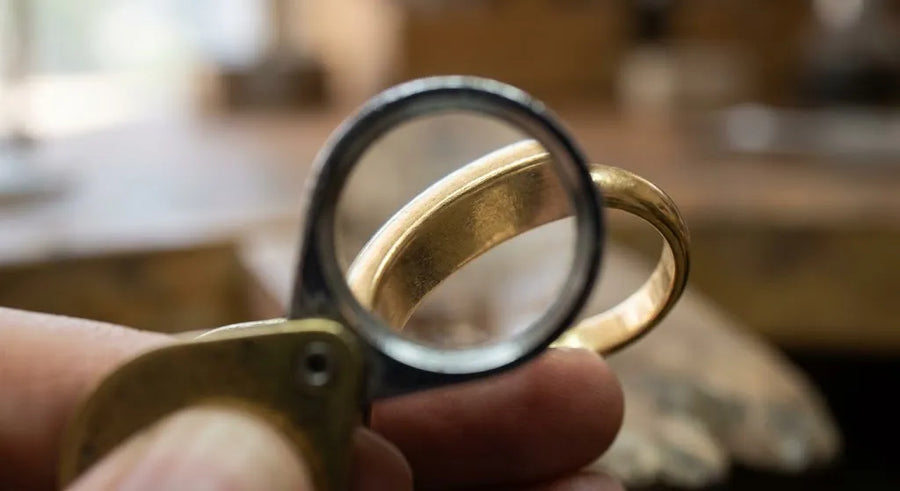
A professional evaluation can help identify what each piece is made from, its condition, craftsmanship, hallmarks, and other details that may influence value.
That information gives you a much better foundation for deciding what to do with inherited jewelry.
Should You Keep Inherited Jewelry?
Sometimes the answer is obvious.
A ring may remind you so strongly of someone that selling it never crosses your mind. A necklace may become something you wear on birthdays or holidays simply because it makes that person feel a little closer.
And you don’t have to wear an inherited piece every day for it to be worth keeping.
Think About Emotional Value Separately From Market Value
A bracelet may have modest resale value and still be priceless to your family. Another piece may have significant financial value but very little personal meaning to you.
Those are two different kinds of value, and treating them separately can make the decision easier.
Consider Who Else May Want the Piece
If the jewelry doesn’t feel right for you, another family member may have a stronger connection to it.
Sometimes the best outcome isn’t keeping or selling.
It’s passing the piece to the person who remembers it most.
Can You Redesign Inherited Jewelry?
Yes, and for many people, redesigning inherited jewelry is what brings it back into their life.
A ring setting may feel dated. A necklace may not suit your style. Or a gemstone may be beautiful but trapped in a design you’ll never wear.
That doesn’t mean the piece has to stay untouched forever.
Reuse the Stones in a New Design
Diamonds and colored gemstones may be suitable for a new ring, pendant, bracelet, or another custom piece depending on their condition.
This can be a meaningful way to preserve part of the original jewelry while creating something that feels more like you.
Evaluate Before You Alter Anything
Before resetting stones or changing an older piece, have it evaluated.
Some jewelry may carry value because of its designer, period, craftsmanship, rarity, or original condition. Once it’s altered, that original form may be impossible to restore.
If the piece has potential antique, estate, or collectible value, it helps to know that before making changes.
Should You Sell Inherited Jewelry?
Selling can be the right choice when the jewelry doesn’t fit your style, carries little emotional meaning, or would simply be more useful to you in another form.
That decision doesn’t erase the history behind the piece.
It simply changes what happens next.
Find Out What Creates the Value
Inherited jewelry may be valued for more than its metal weight. Diamonds, gemstones, designer names, craftsmanship, condition, rarity, and market demand can all influence what a buyer may see in the piece.
A vintage designer ring and a broken gold chain shouldn’t necessarily be evaluated the same way.
Understanding what you own first helps you make a more informed selling decision.
Don’t Confuse Appraisal Value With a Purchase Offer
An insurance appraisal, estate valuation, and resale offer may all produce different numbers because they serve different purposes.
If your goal is selling, ask how the buyer arrived at the offer and what factors were considered.
How Do You Divide Inherited Jewelry Between Family Members?
This is where emotion and fairness can collide.
Three pieces of jewelry may not have equal financial value, and the most expensive item may not be the one everyone wants most.
Identify and Evaluate the Pieces First
Knowing what each item is can make family conversations much clearer.
You may discover that one ring has significant market value while another has little monetary value but enormous sentimental importance.
Let Personal Connections Matter
One sibling may want the engagement ring. Another may want the inexpensive pendant they remember seeing every day growing up.
Sometimes the fairest division isn’t the most mathematically equal one.
It’s the one that respects both value and memory.
Keep, Sell, Redesign, or Pass It On?
There doesn’t need to be one answer for the entire jewelry box.
One ring may stay exactly as it is. Another might become a pendant. A watch could go to a family member. Pieces no one connects with may be sold.
That’s often the healthiest way to think about inherited jewelry: one piece at a time.
The question isn’t only, “What is this worth?”
Sometimes it’s, “What do I want this piece to become?”
Understand Your Inherited Jewelry at Statement Jewelers
At Statement Jewelers, we can help you take a closer look at inherited jewelry and understand the options available before you make a decision.
Whether you’re thinking about keeping a piece, redesigning something meaningful, exploring a sale, or simply learning more about what was passed down to you, we can help you understand the jewelry first.
Because some pieces come with a price.
Others come with a memory.
And sometimes they come with both.
EXPLORE YOUR OPTIONS AT STATEMENT JEWELERS
FAQs
What should I do first with inherited jewelry?
Start by storing the jewelry securely, gathering any available paperwork, and having the pieces identified before making permanent decisions.
Should inherited jewelry be appraised?
An appraisal may be useful for insurance, estate planning, or documentation. If you’re considering selling, you may also want an evaluation focused on current market factors.
Is it better to keep or sell inherited jewelry?
That depends on sentimental value, financial value, family interest, and whether you expect to wear or use the piece. There’s no single right answer.
Can inherited jewelry be redesigned?
Often, yes. Gemstones and precious metals may be suitable for reuse in custom jewelry, depending on condition and design.
How do I know if inherited jewelry is valuable?
Gold purity, gemstones, designer names, craftsmanship, age, condition, rarity, and demand can all affect value. A professional evaluation can help clarify what you have.
Can I sell inherited jewelry I don’t want?
Yes, if you legally own the jewelry and there are no estate-related restrictions. Learn what the piece is and what contributes to its value before accepting an offer.